Vitality Fitness Blog
Want to Live Longer? Research Suggests You Should Stop Doing Just One Type of Exercise
19% lower risk of premature death. Among people with the greatest variety of physical activities versus the least, after accounting for total activity.
When most people think about exercising for longevity, they focus on one question: How much exercise am I getting?
But new research from Harvard suggests there may be another question worth asking: How many different ways am I moving?
Researchers from the Harvard T.H. Chan School of Public Health analyzed data from more than 111,000 adults followed for over 30 years. They found that people who consistently participated in the greatest variety of physical activities had a 19% lower risk of premature death compared with those who had the least exercise variety - even after researchers accounted for how much total physical activity they performed.
Important context: This was an observational study. It shows an association, not proof that exercise variety itself causes a 19% reduction in mortality.
But it adds to a growing body of evidence suggesting that the best long-term fitness plan may not be built around doing one thing exceptionally well.
It may be built around becoming a more complete human athlete.
Different Types of Exercise Do Different Things
Your body adapts specifically to the demands you place on it.
Strength training challenges your muscles, bones and nervous system.
Running, cycling, rowing and other cardiovascular exercise challenge your heart, lungs and aerobic energy systems.
Higher-intensity conditioning develops your ability to produce and recover from demanding efforts.
Mobility and lower-intensity movement can help maintain range of motion and provide ways to remain active without constantly training at high intensity.
Even activities such as walking, climbing stairs, recreational sports and yard work contributed to the different types of activity examined in the Harvard research.
This is one reason we don't believe fitness should be reduced to simply lifting weights, running on a treadmill or attending the exact same style of class every week.
A strong body should be able to do multiple things well.
Strength Still Matters - a Lot
Variety doesn't mean randomly changing your workouts every day.
You still need consistency and progressive training.
Separate long-term research highlighted by Harvard found that adults performing approximately 90-120 minutes of resistance training per week had a 13% lower risk of premature death compared with people who performed none. People combining resistance and aerobic exercise showed some of the lowest mortality risks observed in that research.
That gives us a useful framework:
Get strong. Build your cardiovascular fitness. Move in different ways. And do it consistently for years - not weeks.
Why We Built Vitality Fitness Differently
This research hits close to home because it reflects the philosophy behind Vitality Fitness.
We never wanted Vitality to be a place where everyone was forced into one style of training.
That's why we've built multiple training experiences under one roof.
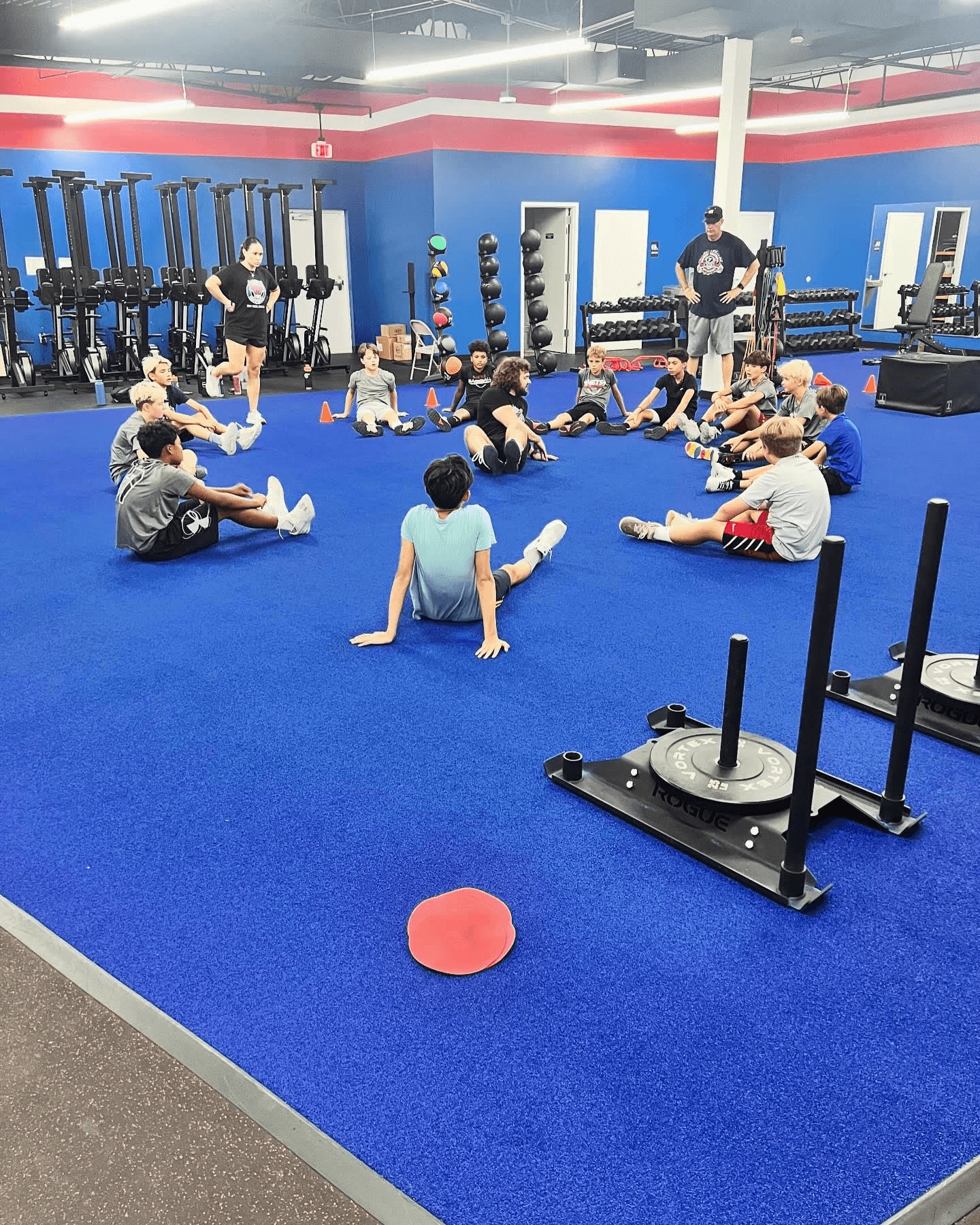
Members can develop strength through Group Strength, improve work capacity and athleticism through CrossFit, and challenge their cardiovascular fitness and endurance through HYROX training.
Outside the gym, we want members walking, hiking, playing sports with their kids, swimming, biking and staying physically active in ways they actually enjoy.
The goal isn't to make exercise more complicated.
It's to build a body that stays capable.
What Should Your Week Actually Look Like?
You don't need seven different workouts every week.
For most adults, a strong long-term approach could include resistance training several times per week, regular cardiovascular work, some higher-intensity conditioning when appropriate, plenty of walking and occasional recreational activities that get you moving in different ways.
The exact combination should depend on your age, goals, experience, injuries and current fitness level.
Most importantly, choose activities you can sustain.
The Harvard researchers noted that people naturally change activities over time according to their preferences and health. Their findings suggest there may be additional benefit to participating in multiple forms of physical activity rather than relying exclusively on one.
Fitness Isn't About Being Good at One Thing
At Vitality Fitness, we want our members to be strong enough to lift something heavy, conditioned enough to climb stairs without getting winded, mobile enough to move comfortably and fit enough to say yes when life presents an opportunity to do something physical.
You don't need to become a powerlifter.
You don't need to become a marathon runner.
And you don't need to become a competitive HYROX athlete.
You need to build a body capable of doing more - and keep using it.
The emerging longevity research gives us another reason to believe that a varied approach to fitness may be one of the smartest investments you can make in your future health.
If you've been doing the same type of exercise for years - or you're not sure how to combine strength and conditioning safely - come experience how we train at Vitality Fitness in Centreville, Virginia.
We'll help you build strength, improve your conditioning and find a training approach you can actually sustain.
Because the goal isn't simply to exercise more.
It's to stay strong, capable and active for as much of your life as possible.